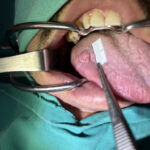
Tongue cancer is a type of cancer that occurs in the front two-thirds of the tongue. Cancers that occur at the back of the tongue are classified under other head and neck cancers. Tongue cancer develops as a result of the uncontrolled proliferation of the normal layer of squamous cells covering the tongue.
Symptoms of Tongue Cancer
The complaints that arise in tongue cancer are often similar to those in other oral cancers. Sometimes, it can be mistaken for a prolonged cold or present as a long-lasting sore throat.
- Persistent tongue or jaw pain
- A thickening or swelling inside the mouth
- White or red patches on the gums, tongue, tonsils, or floor of the mouth
- A sore throat that does not go away
- Difficulty chewing or swallowing
- Difficulty moving the tongue or jaw
- A lump in the neck
Note: All these symptoms can also be seen in non-cancerous conditions. Therefore, if you have any suspicions, you should definitely see an ENT doctor for an examination.
Risk Factors for Tongue Cancer
- Gender: Tongue cancer is twice as common in men as in women. This difference can be associated with smoking and alcohol consumption, which are more prevalent among men.
- Age: The average age at diagnosis is around 50-60 years. However, tongue cancer can also occur in younger patients.
- Smoking: Nearly 80% of individuals with tongue cancer are smokers or use other tobacco products. The risk increases with the number of years and the amount of daily smoking.
- Alcohol: Alcohol is another significant risk factor for tongue cancer. The risk of cancer increases exponentially with the combined use of alcohol and tobacco.
- Human papillomavirus (HPV) infection: The human papillomavirus family includes nearly 100 similar viruses. While most HPV types cause benign growths like warts, some are associated with cancer. The most common HPV-related cancer is cervical cancer, but it can also cause tongue and oropharyngeal cancers. Particularly, HPV type 16 is clearly linked to oropharyngeal (mid-throat) cancer. Cancers associated with HPV tend to respond better to treatment.
- Poor oral hygiene: Poorly made dental prosthetics due to missing teeth can cause non-healing sores in the same place, eventually leading to cancer. Though not fully proven, broken teeth, poor fillings, decayed teeth, and frequent use of alcohol-based mouthwash are associated with a higher frequency of tongue cancer.
- Immune system suppression: The use of immunosuppressive drugs (e.g., long-term medications used after kidney or other organ transplants to prevent rejection) is among the risk factors for tongue cancer.
- Lichen planus: Lichen planus, a disease monitored by dermatologists, can also appear inside the mouth. It presents as white, tree branch-like patches or reddish spots. In this disease, the risk of tongue cancer is higher compared to the general population.
How is Tongue Cancer Treated?
The most commonly used treatment methods are as follows:
- Surgery: The surgical removal of the cancer. During this operation, lymph nodes in the neck that may have metastasized are also cleaned in the same session. This method is the most accepted and successful treatment worldwide.
- Radiotherapy: Depending on the joint decision of your radiation oncologist and head and neck surgeon, radiotherapy may be required after surgery.
- Chemotherapy: It is generally used in combination with radiotherapy. Chemotherapy may be necessary in addition to radiotherapy after surgery. Chemotherapy drugs target cancer cells circulating throughout the body.